
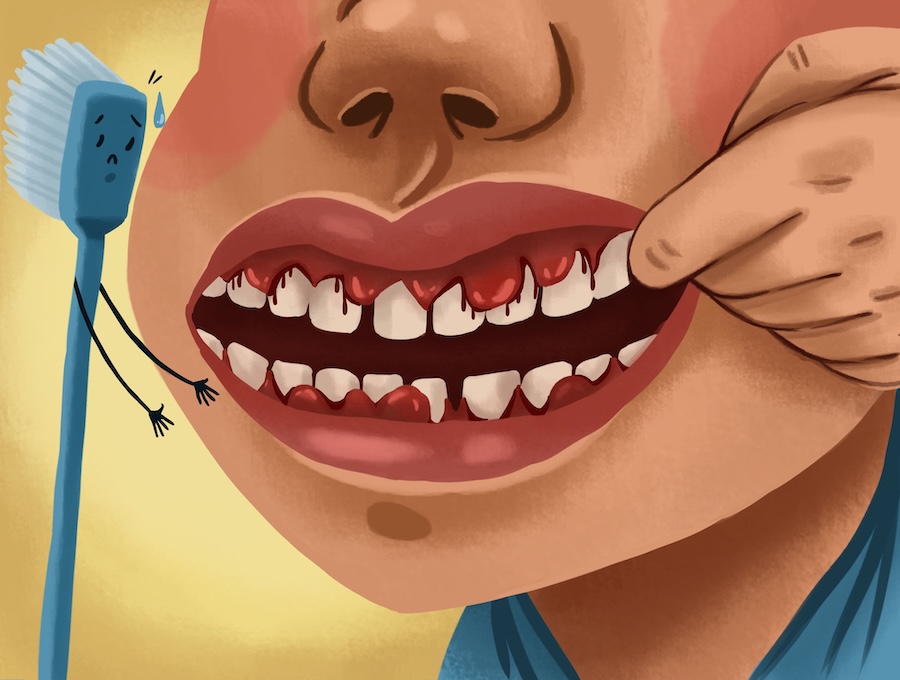
Many patients are surprised to learn they have gum disease because they “feel fine.” There is no sharp pain, no obvious emergency. Instead, it may show up as bleeding when flossing, mild swelling along the gumline, or breath that does not improve despite brushing. Because those symptoms seem manageable, they are often ignored.
At Southwest Smiles in Austin, TX, Dr. Lakshmi Chittajallu focuses on identifying gum disease early, when treatment is more conservative and recovery is more predictable. Understanding what those early signs mean — and what happens next — can make the situation feel far less uncertain.
What Is Gum Disease?
Gum disease, or periodontal disease, is an infection of the tissues that support your teeth. It begins when plaque bacteria accumulate along and beneath the gumline. If that buildup is not thoroughly removed, the body responds with inflammation.
The earliest stage is called gingivitis. At this point, the gums may look redder than usual, feel tender, or bleed during brushing and flossing. The bone supporting the teeth is still intact, which means the condition is reversible with appropriate treatment.
If inflammation continues unchecked, the infection can extend deeper, affecting the bone and connective tissue that hold the teeth in place. This more advanced stage is called periodontitis. At that point, treatment becomes more involved because structural support has been compromised.
The distinction between these stages matters because the earlier gum disease is addressed, the simpler (and cheaper) the intervention.
Understanding Pocket Depths
One of the most important tools in diagnosing gum disease is measuring pocket depth.
Healthy gums fit snugly around each tooth. When a small measuring instrument is gently placed between the tooth and the gum, the depth in a healthy mouth is typically 1 to 3 millimeters.
When inflammation is present, the gum tissue begins to pull away from the tooth. This creates a deeper space, known as a periodontal pocket. Pockets measuring 4 millimeters or more may indicate the beginning of gum disease. As the infection progresses, pockets can deepen further, creating an environment where bacteria thrive and are difficult to remove with home care alone.
Measuring pocket depths allows Dr. Chittajallu to determine:
Whether gum inflammation is present
How advanced the condition may be
Which areas require targeted treatment
Whether bone support has been affected
These measurements are recorded and monitored over time. Improvements in pocket depth often indicate that treatment and home care are working effectively.
Gingivitis Treatment Is Different from a Routine Cleaning
When gum inflammation is diagnosed at the gingivitis stage, treatment often involves more than a standard preventive cleaning. A routine cleaning focuses on removing plaque and tartar above the gumline in patients with generally healthy gum tissue. Gingivitis therapy, on the other hand, addresses more widespread inflammation and buildup along the gumline.
This type of cleaning is more thorough and focuses specifically on reducing bacterial accumulation and allowing inflamed gum tissue to heal. Patients are also given detailed guidance on brushing and flossing techniques tailored to their needs.
The goal at this stage is to reverse inflammation before it progresses to bone involvement.
When Treatment Extends Below the Gumline
If pocket depth measurements show that inflammation has progressed beyond gingivitis, treatment typically involves a deep cleaning, often referred to as periodontal therapy.
Unlike a routine cleaning that focuses primarily above the gumline, periodontal therapy targets the deeper pockets where bacteria have accumulated beneath the surface. These areas cannot be reached effectively with brushing and flossing alone. Over time, hardened deposits and bacterial biofilm collect along the root surfaces of the teeth, contributing to continued inflammation and bone loss.
During a deep cleaning, those deposits are carefully removed from below the gumline so the surrounding tissue has an opportunity to heal. As inflammation decreases, the gum tissue can begin to tighten around the teeth, reducing pocket depth and making the area easier to maintain at home.
In many cases, follow-up periodontal maintenance visits are recommended at intervals shorter than standard cleanings (usually every 3-4 months). These appointments help monitor healing and prevent bacteria from recolonizing the deeper areas.
Addressing the infection at this stage is about stabilizing the condition and protecting the bone that supports your teeth.
Early Symptoms Worth Noticing
Because gum disease is not usually painful at first, patients may not realize there is a problem. Symptoms to watch for include:
Bleeding during brushing or flossing
Persistent bad breath
Gum tenderness or swelling
Receding gumlines
Teeth that feel slightly loose
Bleeding is not something to “brush through.” It is a sign that inflammation is present and deserves evaluation.
Gum Disease Treatment in Austin at Southwest Smiles
Gum disease treatment in Austin begins with a careful evaluation and an honest conversation about what the findings mean. At Southwest Smiles in Austin, TX, Dr. Lakshmi Chittajallu measures pocket depths, reviews imaging, and explains treatment options clearly so patients understand both the current condition and the next steps.
If you have noticed bleeding gums or have not had a periodontal evaluation recently, contact Southwest Smiles in Austin, TX to schedule an appointment. Addressing gum inflammation early often makes treatment simpler and helps preserve the health of your smile for years to come.
Image from Authority Dental under CC 2.0