
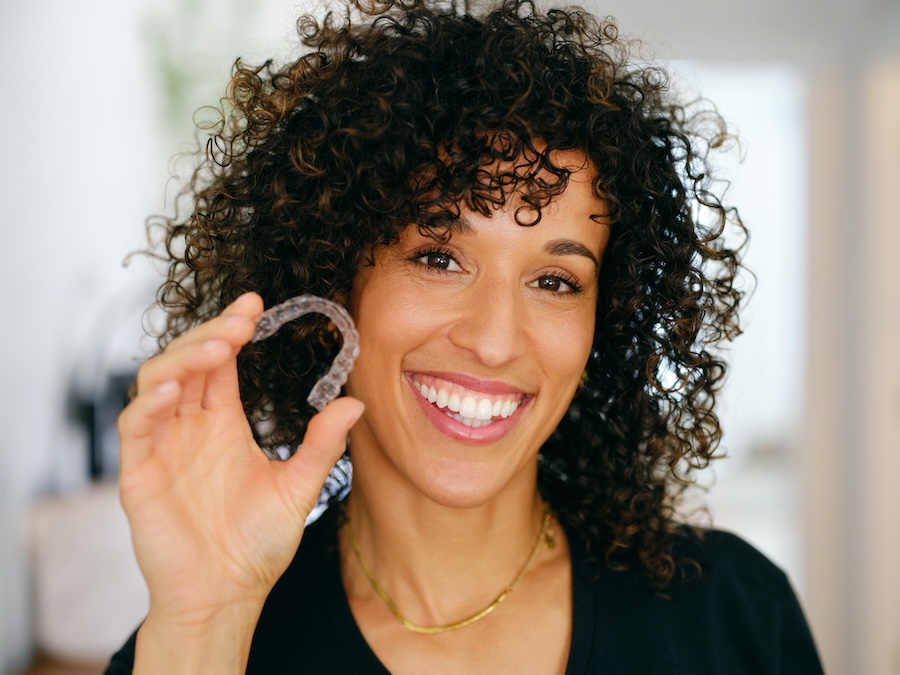
Clear aligners can be a good fit when you want straighter teeth without brackets and wires, but there is more to treatment than wearing a series of clear trays. The aligners need to fit closely, stay in for the prescribed amount of time, and move the teeth in the right sequence. Meanwhile, your bite, the amount of crowding or spacing, and how consistently you wear the trays all affect the timeline.
At Southwest Smiles in Austin, TX, Dr. Lakshmi Chittajallu offers SureSmile clear aligners for patients who want to improve tooth alignment with removable trays. Some people come in because one front tooth has shifted, while others have crowding, spacing, or bite concerns that have bothered them for years. Before starting, we look at where the teeth are now, where they need to move, and whether clear aligners are a good match for the changes you want.
SureSmile treatment also asks for some participation outside the dental office. You will take the aligners out to eat, put them back in afterward, keep them clean, and wear each set as directed. Once that routine settles in, though, most of the work happens quietly while you go about your day.
SureSmile Clear Aligners Start With the Way Your Teeth Fit Now
Clear aligner treatment begins with more than checking whether the front teeth look crooked. We also look at how the upper and lower teeth meet, whether there is crowding or spacing, and which teeth need to move first. Those details shape the series of aligners you will wear.
Some cases involve relatively small changes. Maybe a tooth shifted after you stopped wearing a retainer years ago, or a small gap has opened between two teeth. Other cases involve several rotated or crowded teeth, so the movements need to happen in stages.
Your gums and teeth also need to be healthy enough for orthodontic movement. If there is active gum disease, untreated decay, or another dental concern, we may need to address that before starting SureSmile. Then, once the mouth is ready, we can move ahead with the aligner plan.
How SureSmile Aligners Are Designed to Fit
SureSmile aligners are made from digital information about your teeth and bite. Each tray is shaped to fit closely over the teeth while applying controlled pressure to specific areas. As you move through the series, each new set continues the planned movement.
The fit should feel snug when you first put in a new tray. You may notice pressure around certain teeth, and that can shift from one set of aligners to the next. As the teeth start moving into that tray, the pressure usually eases.
Sometimes small tooth-colored attachments are placed on certain teeth to help the aligners grip and guide movement. These attachments give the trays more leverage for movements such as rotation or bringing a tooth into a better position. They stay on during treatment and are removed when they are no longer needed.
What a New Set of Aligners Usually Feels Like
When you switch to a new set of SureSmile aligners, the trays may feel tight for the first day or two. Certain teeth may feel tender when you bite, especially if that set is asking them to move more. As the teeth begin responding, the pressure usually becomes less noticeable.
That tenderness is different from a tray cutting or rubbing the gums. If an edge feels sharp, the tray does not seem to fit correctly, or something feels very different from previous sets, let us know. We can check the aligner and make sure nothing needs to be adjusted.
The aligners may also affect speech briefly when you first start. Some people notice a small lisp while the tongue gets used to the plastic over the teeth. Usually, talking normally and wearing the trays consistently helps that adjustment happen pretty quickly.
Wear Time Has a Big Effect on Your Timeline
SureSmile can only move the teeth while the aligners are in your mouth. That means taking them out for breakfast, leaving them on the bathroom counter until lunch, and then forgetting them again during dinner can add up quickly. Even if the trays still fit, inconsistent wear can put the teeth behind the planned sequence.
You will receive specific instructions for how many hours per day to wear your aligners. In general, clear aligner treatment requires wearing them most of the day and night, with breaks for eating, drinking anything besides water, brushing, and flossing. The more consistent you are, the better chance the next tray has of fitting when it is time to move forward.
This is worth thinking about before treatment begins. If you already know you snack throughout the day, drink coffee slowly all morning, or tend to forget removable things, tell us. We can talk through what the routine would look like before you commit to it.
Eating With SureSmile Is Pretty Flexible
One advantage of removable aligners is that you take them out to eat. That means there are not the same food restrictions you would have with brackets and wires. Apples, popcorn, chewy bread, nuts, and other foods can stay on the menu as long as the trays are out.
However, the aligners should not stay out for long stretches after the meal ends. Once you are finished eating, clean your teeth when possible and put the trays back in. Otherwise, a long lunch can quietly turn into several hours without aligner wear.
It also helps to keep the trays in their case while you eat. A clear aligner wrapped in a napkin is very easy to throw away, especially in a restaurant or office cafeteria. Keeping the case nearby saves a lot of searching later.
What You Can Drink While the Aligners Are In
Water is the drink to stick with while SureSmile aligners are in place. Coffee, tea, soda, juice, sports drinks, and other beverages should be consumed with the trays removed because sugar, acid, and pigments can sit against the teeth underneath the aligners. Hot drinks can also distort the plastic.
After you finish your drink, clean your teeth when possible before putting the trays back in. If brushing is not possible right away, rinsing with water can help until you can brush. Then, get the aligners back in so the break does not stretch into several hours.
If you tend to sip coffee for most of the morning, you may need to tighten up that routine a little. You can still enjoy it, but keeping the aligners out for a long stretch can cut into the wear time needed for treatment.
How to Keep SureSmile Aligners Clean
The trays need regular cleaning because plaque, saliva, and food residue can build up on them. Rinse them when you take them out, and clean them gently as directed before putting them back in. Clear aligners tend to look much better when they are not allowed to dry with residue sitting on them.
Brushing and flossing your teeth also becomes part of the aligner routine. When food stays between the teeth and the trays go back over it, bacteria have a warm, enclosed place to sit. As a result, keeping the teeth clean helps reduce the risk of cavities, irritated gums, and bad breath during treatment.
You will still need regular dental visits while wearing SureSmile. We are moving the teeth, but we also need to keep an eye on the enamel, gums, and existing dental work along the way. Keeping those preventive visits on the calendar helps us catch small issues before they interrupt treatment.
How Long Does SureSmile Treatment Take?
Treatment time varies because not every smile needs the same amount of movement. A small amount of spacing or mild relapse after previous orthodontic treatment may take less time than significant crowding or bite correction. Your timeline also depends on how well the teeth respond and how consistently the aligners are worn.
At the beginning, we can give you an estimate based on the planned movements. As treatment progresses, we check whether the teeth are following the aligners and whether the trays are fitting as expected. If everything stays on track, you continue moving through the prescribed series.
Sometimes the plan needs an adjustment along the way. A tooth may not move exactly as predicted, or the bite may need a little more refinement near the end. In that case, additional aligners may be made to finish the remaining movements.
Why One Person May Finish Faster Than Another
It is easy to compare timelines when you know someone else who wore clear aligners. However, two people can both have crooked front teeth and still need very different treatment. One may only need a few teeth moved, while the other also needs bite correction or more room created in a crowded arch.
Age can play a role, but it is not the only factor. The type of movement, bone response, gum health, and how well the aligners are worn all affect progress. Missing several appointments or repeatedly leaving trays out can also extend treatment.
Because of that, we base the estimate on your teeth rather than someone else’s experience. We can tell you what movements are planned and update you if the timeline begins changing. That way, you know where things stand as treatment progresses.
What Happens if an Aligner Stops Fitting Correctly?
A new aligner should feel snug, but if one area stops fitting the way previous trays did, let us know. You may notice that a tooth is not following the planned movement or that the tray no longer feels seated the same way. That can be a sign that the tooth needs more time or that the plan needs a closer look.
Sometimes the answer is as simple as wearing the current tray a little longer. In other cases, we may need to look more closely at the tooth or adjust the treatment plan. Moving to the next tray without checking can make the fit problem carry forward into later sets.
Do not force a tray that clearly does not fit. Likewise, if you lose an aligner, call before automatically skipping ahead. Depending on where you are in the sequence, we may have you wear the previous set, move forward, or take another step.
Attachments Can Help Certain Teeth Move
Some tooth movements are harder for a smooth plastic tray to control on its own. Small tooth-colored attachments can give the aligners a better grip and help guide movements such as rotation or bringing a tooth into alignment. They are bonded to selected teeth and stay in place while they are needed.
You may notice them more when the trays are out than when they are in. They can also make removing the aligners feel a little tighter at first. After a few days, most patients get used to the angle needed to take the trays in and out.
Brush carefully around the attachments because plaque can collect along their edges. Once the attachment has done its job, we remove it and polish the tooth surface.
SureSmile Can Treat More Than One Crooked Tooth
Some people start looking into clear aligners because of one tooth they see every time they smile. During the exam, though, we may find that moving that tooth also requires creating space or adjusting nearby teeth. Teeth do not move independently of everything around them.
SureSmile can be used for many types of crowding and spacing, along with certain bite concerns. The exact movements depend on your starting point and how complex the case is. If a different orthodontic approach would give better control, we will explain that before treatment begins.
There are also situations where we may need to coordinate clear aligners with other dental care. For example, an adult with a missing tooth may need orthodontic space created before an implant is placed. In another case, aligning crowded teeth first may make future cosmetic work more conservative.
What Results Can You Expect From SureSmile?
The goal is not only to make the front teeth look straighter. We also pay attention to how the teeth fit together and whether the final positions work with your bite. As the aligners move the teeth, you may start seeing cosmetic changes before the treatment itself is finished.
Early progress can be encouraging, but it is important to keep wearing the trays through the full plan. A smile may look straighter while the bite still needs more time to settle into the planned position. Stopping early can leave some of that work unfinished.
Your final result also depends on what the teeth were capable of doing safely. We can show you the planned movements before treatment and talk about what SureSmile is expected to improve. If there are limits because of tooth shape, bone support, or another dental issue, we will go over those too.
What Happens Near the End of Treatment?
As you reach the last planned aligners, we look closely at the tooth positions and bite. Sometimes everything has moved where expected, while other cases need a few more trays to finish certain movements. If more movement is needed, we may take another digital scan and order refinement aligners.
Those extra trays can fine-tune areas that did not move quite as planned during the first series. Once the teeth and bite are where we want them, we remove any attachments that are no longer needed and make your retainers. Retainers help hold the teeth in their new positions after active treatment ends.
Retainers Matter After SureSmile
Teeth have a natural tendency to shift after orthodontic treatment. The tissues and bone around them need time to adapt to the new positions, and even years later, teeth can continue moving slowly. Retainers help limit that movement.
We will explain how often to wear your retainer after SureSmile treatment. The schedule may be more frequent at first and then change over time. Following that routine helps protect the time and effort you put into the aligners.
If a retainer eventually cracks, gets lost, or stops fitting well, call rather than going without it for months. Teeth can move enough during that time that the old retainer no longer fits. Replacing it sooner is much easier than trying to move shifted teeth back again later.
SureSmile for Adults Who Had Braces Years Ago
A lot of adults looking at clear aligners have already had orthodontic treatment once. Maybe you wore braces as a teenager, stopped wearing your retainer somewhere along the way, and now the lower front teeth are crowding again. That is a very common reason to ask about SureSmile.
If the relapse is mild, treatment may be more limited than the orthodontics you had years ago. However, we still look at the whole bite before deciding how much needs to move. A front tooth that shifted may be connected to changes elsewhere in the arch.
Adults may also have crowns, fillings, implants, or other dental work that was not there during their first round of orthodontics. We take those restorations into account when planning movement. Implants, for example, do not move like natural teeth, so the surrounding teeth have to be planned around them.
SureSmile for Teens Takes a Little More Planning
Clear aligners can work very well for teens who are ready to keep up with the routine. They can take the trays out for meals, sports mouthguards, brushing, and flossing, which many students like. However, the aligners still need to make it back into the mouth after lunch instead of sitting in a backpack until dinner.
It helps to think about how your teen handles removable things during a normal school day. If they already keep track of a phone, earbuds, sports gear, and everything else they carry to school, managing a case and aligners may fit naturally into the day. If trays are likely to get lost, forgotten, or left out for hours, braces may be the better fit.
Clear aligners depend heavily on consistent wear. Before starting, we want to make sure the treatment fits the habits your teen already has and the routine they can realistically keep up with. That can make treatment easier to manage from the first tray through the last.
SureSmile Clear Aligners at Southwest Smiles in Austin, TX
SureSmile clear aligners can straighten teeth without brackets and wires, but the fit, wear time, and treatment plan all work together. You will need to wear the trays as directed, keep them clean, remove them for meals and drinks other than water, and let us know if a set stops fitting the way it should. Meanwhile, we will keep an eye on how the teeth are tracking and whether the bite is moving toward the planned result.
At Southwest Smiles in Austin, TX, Dr. Lakshmi Chittajallu can evaluate your teeth, explain what SureSmile may be able to change, and give you an idea of the timeline for your case. If you are thinking about clear aligners and want to know how treatment would fit into your schedule, call Southwest Smiles to schedule a consultation!